- India to USA
- Ocean freight
- Export
Shipping from India to the USA: The Complete Guide for Exporters
How to ship from India to the USA by sea or air: transit times, costs, US customs, ISF filing, documents and tips to avoid delays. A practical exporter guide.
By JCTrance Freight Team ·· 2 min read
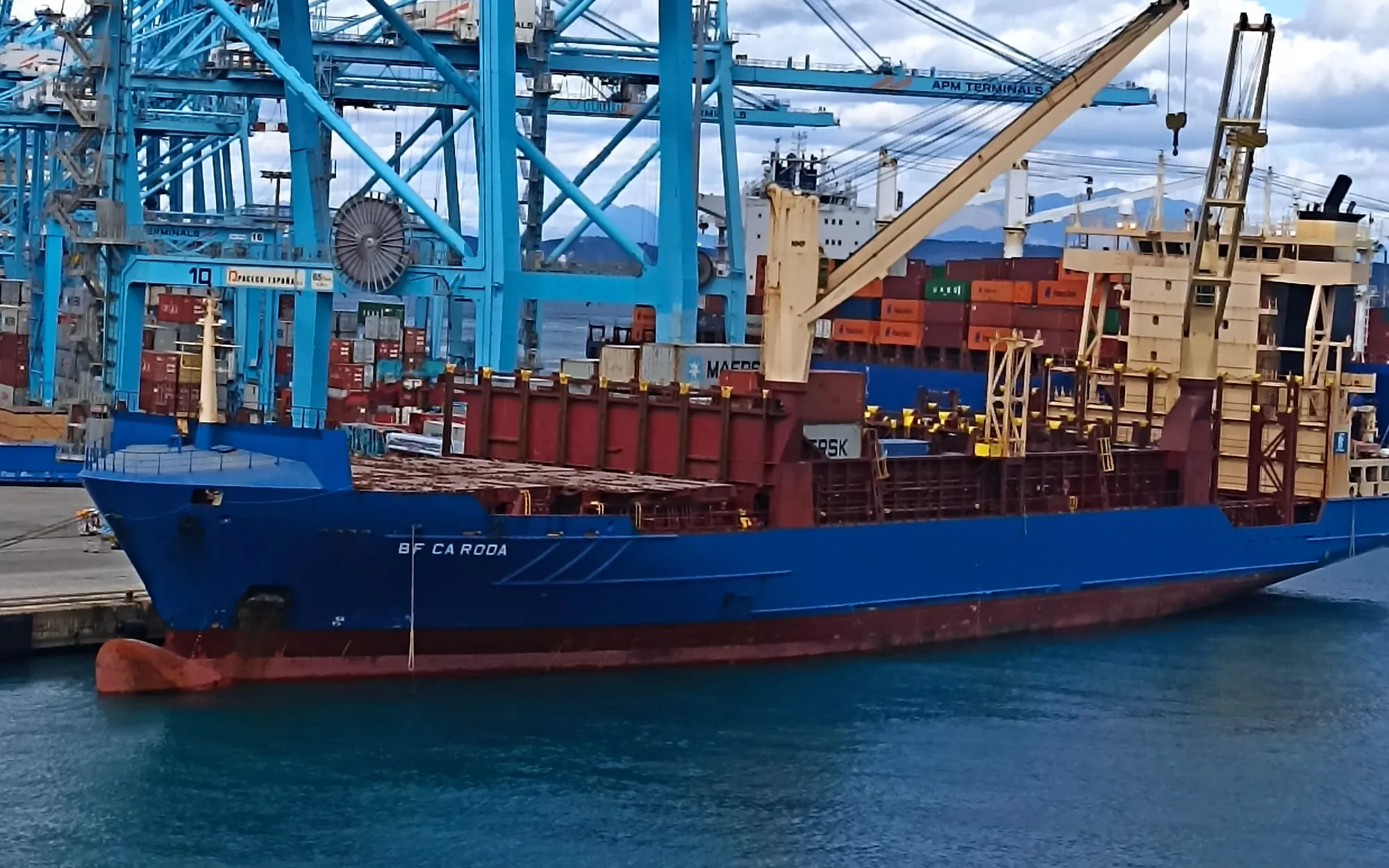
The United States is India’s largest export market, and shipping there has never been more accessible. But between ocean vs air decisions, US Customs rules and ISF deadlines, first-time exporters can easily lose time and money. This guide walks you through the process step by step.
Sea or air: which mode is right?
| Mode | Typical transit | Best for |
|---|---|---|
| Ocean FCL | 28–38 days port-to-port | High volume, heavy cargo, machinery |
| Ocean LCL | 32–45 days | 1–13 CBM shipments |
| Air freight | 3–5 days | Urgent, high-value or perishable goods |
As a rule of thumb, cargo above 15 CBM is usually cheaper in a full container, while anything under 1 CBM that is urgent may be better by air. Use our CBM calculator to size your shipment.
Key US import requirements
ISF (Importer Security Filing, “10+2”)
For ocean shipments, the US importer must file ISF with US Customs at least 24 hours before cargo is loaded in India. Late or missing ISF filings attract penalties of up to USD 5,000. Your forwarder should collect ISF data from you well before the vessel cut-off.
Customs bond and entry
Every commercial import into the USA needs a customs bond — either single-entry or continuous. The customs broker files the entry, pays duties and arranges release.
FDA, USDA and other agencies
Food, cosmetics, medical devices and some textiles may need prior notice or registration with agencies such as the FDA. Check early — these are the most common cause of holds.
Documents you will need
- Commercial invoice with HS codes and Incoterm
- Packing list with weights and dimensions
- Bill of Lading or Air Waybill
- Shipping bill (Indian export declaration)
- Certificate of origin (where required)
- ISF data and importer’s customs bond
How to avoid delays
- Book early — especially in peak season (August–November).
- Describe goods precisely — vague descriptions like “parts” trigger exams.
- Use ISPM-15 wood packaging — non-compliant pallets are rejected at US ports.
- Agree the Incoterm upfront — it decides who pays duties and inland freight.
Ship with a specialist
JCTrance Freight runs weekly consolidations and FCL services on the India–USA lane, with customs brokerage at both ends. See our ocean freight and door-to-door services, or request a quote today.